High prolactin may be due to hormonal disorders or medication; it is not a diagnosis on its own.
Educational guide only — not medical advice. Always review results with a qualified clinician.
7 min read
··Last updated
NNoryaAI
Prolactin blood test: what your results mean
If your lab report shows an abnormal prolactin level, you are probably wondering what this hormone does and whether you should be concerned. Prolactin is a peptide hormone produced by the anterior pituitary gland, best known for stimulating breast-milk production, but it also influences reproduction, immune function, and metabolism in both women and men.
This guide explains what a prolactin blood test measures, normal reference ranges, common causes of high prolactin (hyperprolactinemia), associated symptoms, and when you should see a doctor. Our goal is not to diagnose — it is to help you understand your results so you can have a more productive conversation with your healthcare provider.
Abnormal prolactin levels can lead to menstrual irregularities and infertility in women, and sexual dysfunction in men. The good news is that most causes of hyperprolactinemia are treatable once correctly identified.
What is prolactin?
Prolactin is a 199-amino-acid polypeptide hormone synthesized by lactotroph cells in the anterior pituitary gland. Although its name literally means “for milk,” prolactin plays roles far beyond lactation, including regulation of reproductive function, immune modulation, and osmotic balance.
Prolactin secretion is primarily controlled by the hypothalamus through dopamine, which acts as a prolactin-inhibiting factor. When dopamine levels drop or when medications block dopamine receptors, prolactin rises. This makes prolactin somewhat unusual among pituitary hormones — it is under tonic inhibition, meaning it increases whenever its brake is released.
Both women and men have measurable circulating prolactin. During pregnancy and breastfeeding, prolactin rises dramatically — this is entirely physiological. Elevations outside these contexts, however, deserve investigation because they may point to a pituitary adenoma, medication side-effect, or another underlying condition.
Normal prolactin levels (reference ranges)
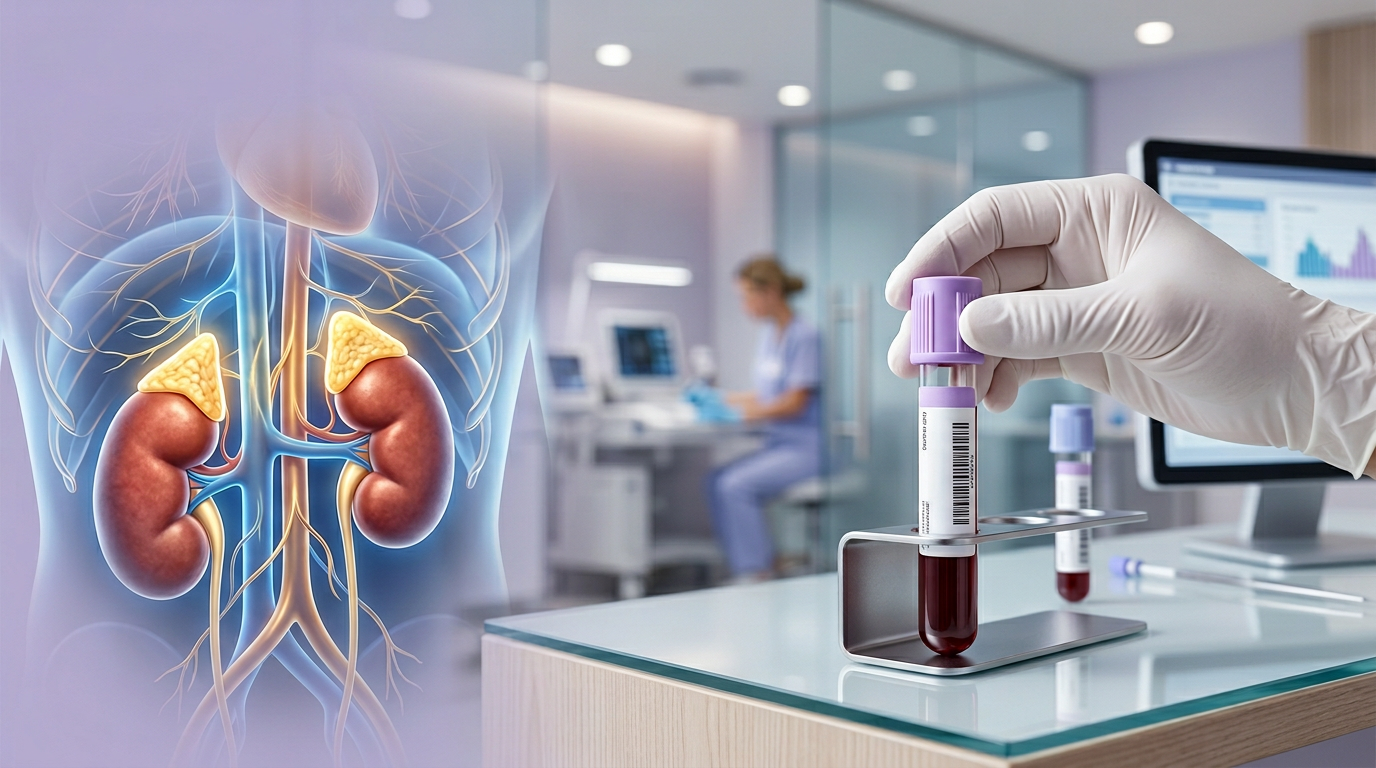
Prolactin is measured with a simple blood draw. The table below shows commonly accepted reference ranges:
Group
Normal Range (ng/mL)
Men
2 – 18
Non-pregnant women
2 – 29
Pregnant women
10 – 209
Prolactin follows a circadian rhythm — it peaks during sleep and falls within a few hours of waking. For this reason, blood samples are usually drawn in the morning, 2–3 hours after waking. Stress, vigorous exercise, and high-protein meals can cause transient elevations, so a mildly elevated result may warrant a repeat test.
Levels above 200 ng/mL strongly suggest a prolactinoma (prolactin-secreting pituitary adenoma). Values between 25 and 100 ng/mL are more commonly associated with medications, hypothyroidism, or other non-tumour causes. Always compare your result with your own laboratory’s reference range.
Causes of high prolactin (hyperprolactinemia)
Hyperprolactinemia can result from a wide variety of causes. The most frequently encountered are:
Prolactinoma (pituitary adenoma): A benign prolactin-secreting tumour of the pituitary gland and the most common pathological cause. It is classified as a microprolactinoma (<10 mm) or macroprolactinoma (≥10 mm).
Medications: Antipsychotics (haloperidol, risperidone), metoclopramide, domperidone, certain antidepressants, and oestrogen-containing drugs are the most common drug-induced causes. Medications are the leading non-tumour cause of hyperprolactinemia.
Hypothyroidism: Low thyroid hormone triggers elevated TRH, which in turn stimulates prolactin release.
Chest-wall irritation: Herpes zoster, chest surgery, or chest-wall lesions can raise prolactin via reflex neural pathways.
Polycystic ovary syndrome (PCOS): Mild prolactin elevation is seen in a subset of women with PCOS.
Stress and physiological factors: Intense stress, sleep, exercise, and nipple stimulation can cause transient increases.
Renal failure: Reduced renal clearance of prolactin leads to elevated serum levels.
When prolactin exceeds 200 ng/mL, a prolactinoma is highly likely. For values between 25 and 100 ng/mL, drug use, hypothyroidism, and other non-tumour causes should be evaluated first.
Symptoms of high prolactin
The symptoms of hyperprolactinemia differ between women and men. In women the most common signs include:
Menstrual irregularities: Oligomenorrhea (infrequent periods) or amenorrhea (absence of periods) is the hallmark symptom.
Galactorrhea: A milky discharge from the breasts outside of pregnancy or breastfeeding.
Infertility: Elevated prolactin suppresses ovulation, making conception difficult.
In men, symptoms are often recognised later:
Decreased libido: Driven by the secondary drop in testosterone.
Erectile dysfunction: High prolactin disrupts GnRH pulsatility, leading to hypogonadism and erectile problems.
Gynaecomastia and rarely galactorrhea: Breast tissue enlargement and, in rare cases, nipple discharge may occur.
In both sexes, a macroprolactinoma can produce mass-effect symptoms such as headaches and visual field defects (bitemporal hemianopia). As the tumour grows it compresses the optic chiasm, causing progressive loss of peripheral vision.
Related tests
When an elevated prolactin is found, additional tests help pinpoint the cause:
TSH (Thyroid-Stimulating Hormone): Rules out hypothyroidism as the underlying trigger.
LH and FSH: Gonadotropin levels are important for evaluating reproductive function.
Pregnancy test (beta-hCG): Must be performed in women of childbearing age to exclude pregnancy.
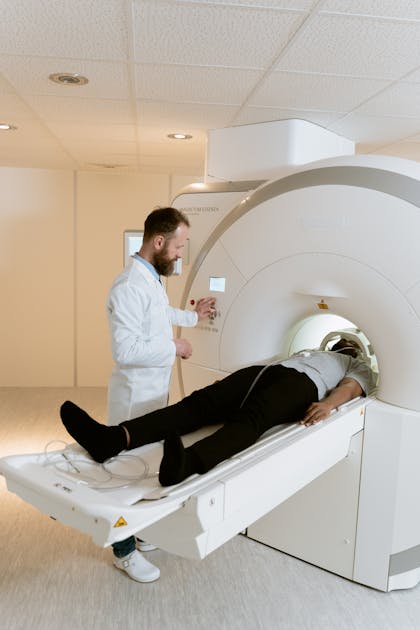
Pituitary MRI: The gold standard imaging study when a prolactinoma is suspected.
Testosterone (in men): Total and free testosterone are measured to assess for hypogonadism.
Macroprolactin screening: In some cases prolactin molecules form complexes with immunoglobulins, producing falsely elevated results. A macroprolactin assay can clarify this.
Evaluating these tests together is critical for accurate diagnosis and appropriate treatment planning.
When should you see a doctor?
You should consult an endocrinologist or gynaecologist if:
Your blood test shows prolactin above the reference range
You experience unexplained menstrual irregularities or amenorrhea
You notice nipple discharge outside of pregnancy or breastfeeding
You have decreased libido, erectile dysfunction, or infertility
You suffer from persistent headaches and/or visual disturbances
Early diagnosis is especially important in prolactinoma. Microprolactinomas respond very well to dopamine agonists (cabergoline, bromocriptine) and rarely require surgery. Left untreated, macroprolactinomas can grow and cause serious complications such as vision loss and hypopituitarism.
If the elevation is drug-induced, switching or adjusting the medication usually resolves the problem. However, never stop a prescribed medication on your own — always discuss changes with your doctor.
How NoryaAI helps you understand prolactin results
NoryaAI analyses your full blood-test report — including prolactin — in the context of your age, sex, and clinical background. Our AI-powered system highlights out-of-range values, summarises possible causes, and suggests questions you may want to ask your doctor.
Ready to get started? Upload your lab report for an instant analysis. Visit our pricing page to explore plan options. NoryaAI does not replace a physician; our goal is to empower you with information so your next medical consultation is more productive.
If your prolactin is outside the normal range, do not panic — many causes are treatable. The most important step is to share your results with a qualified healthcare professional.
Disclaimer
This content is for informational purposes only and does not constitute medical advice, diagnosis, or treatment. Always discuss your blood-test results with a qualified healthcare professional. NoryaAI is not a substitute for a medical consultation. Make all health-related decisions in consultation with your doctor. Visit our analysis page for preliminary insights into your results.
Trust & review
How this guide should be used
This article is educational and should be reviewed alongside our medical review, methodology, and transparency pages. Use it to prepare for a clinician conversation, not as a diagnosis.