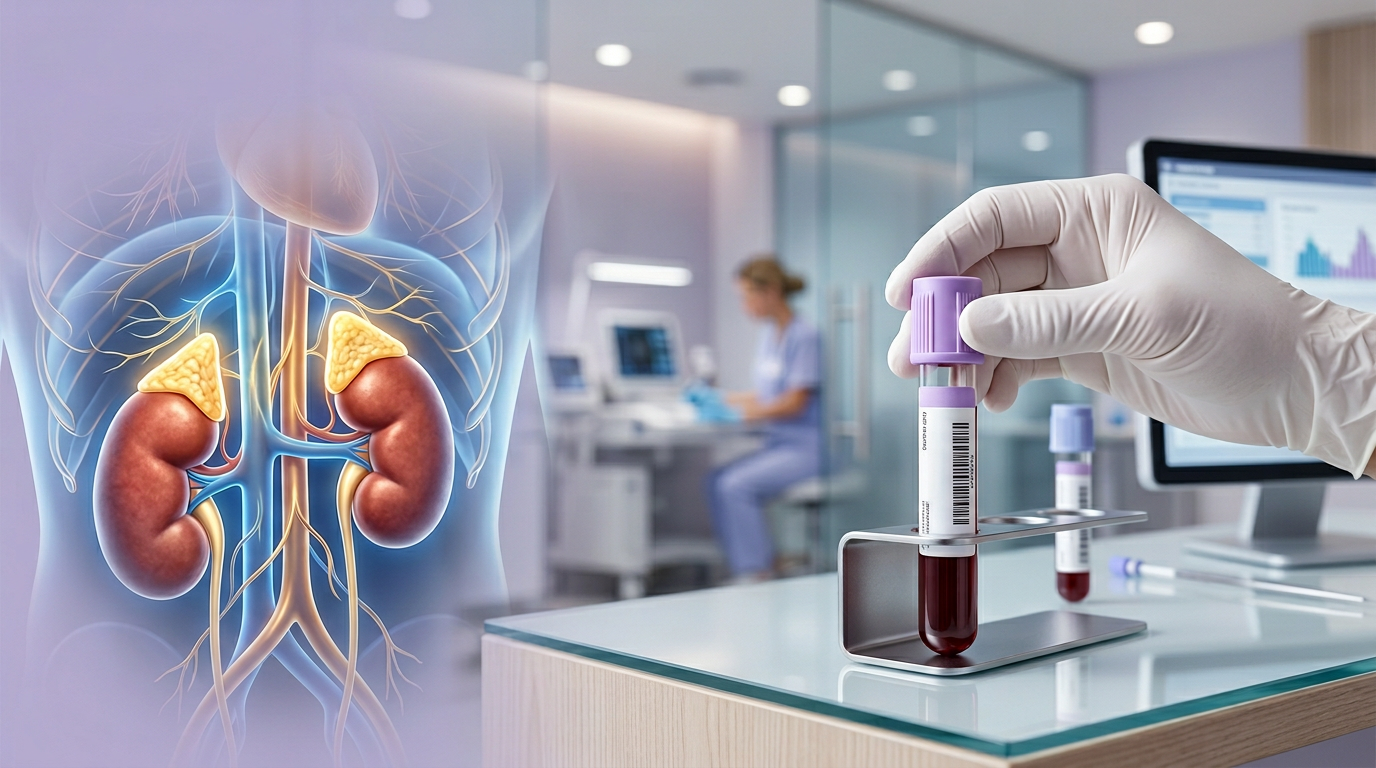
Cortisol is known as the stress hormone; high levels alone are not a diagnosis — your doctor evaluates in context.
Educational guide only — not medical advice. Always review results with a qualified clinician.
7 min read
··Last updated
NNoryaAI
Cortisol levels: what your blood test result means
Cortisol is often called the stress hormone because it surges when your body perceives a threat, but its role goes far beyond the fight-or-flight response. Cortisol helps regulate blood sugar, blood pressure, immune function, and metabolism around the clock. A cortisol blood test is ordered when your doctor suspects either too much or too little of this vital hormone.
This guide explains what cortisol does, how to read your result, the most common causes of abnormal levels, associated symptoms, and when you should follow up with your doctor. It is educational content, not a medical diagnosis—always discuss your results with a healthcare professional.
What is cortisol and why does it matter?
Cortisol is a glucocorticoid hormone produced by the adrenal glands, which sit on top of each kidney. Its secretion is controlled by the hypothalamic-pituitary-adrenal (HPA) axis: the hypothalamus releases CRH, which stimulates the pituitary to secrete ACTH, which in turn tells the adrenal cortex to produce cortisol. Cortisol then feeds back to suppress CRH and ACTH, creating a tightly regulated loop.
Cortisol follows a diurnal rhythm: levels peak in the early morning (around 6–8 AM) to help you wake up and gradually decline throughout the day, reaching their lowest point around midnight. This rhythm is important because the timing of the blood draw affects what is considered “normal.”
Key functions of cortisol include mobilising glucose from the liver (gluconeogenesis), suppressing non-essential immune responses during acute stress, maintaining vascular tone and blood pressure, and influencing mood and cognitive function. Both chronic excess and deficiency of cortisol can have serious health consequences.
Normal cortisol ranges
Because of the diurnal rhythm, morning cortisol (6–8 AM) is the standard measurement. Reference ranges vary between laboratories, but widely accepted values for adults are:
Time of draw
Typical range
Morning (6–8 AM)
6–23 µg/dL (166–635 nmol/L)
Evening (around 4 PM)
2–14 µg/dL
Stress, illness, certain medications, and even the act of having blood drawn can temporarily raise cortisol. A single borderline result may not be clinically significant. Your doctor may order repeat testing or dynamic tests (such as a dexamethasone suppression test or ACTH stimulation test) to clarify the picture.
Causes of abnormal cortisol levels
High cortisol (hypercortisolism) can result from several conditions. Cushing syndrome is the classic example: it may be caused by a pituitary adenoma secreting excess ACTH (Cushing disease), an adrenal tumour producing cortisol autonomously, or ectopic ACTH secretion by a non-pituitary tumour. The most common cause of Cushing-like features in clinical practice is exogenous glucocorticoid use—patients taking prednisone, dexamethasone, or similar medications for inflammatory or autoimmune conditions.
Chronic psychological stress, depression, alcoholism, and severe obesity can also raise cortisol to abnormal levels (sometimes called “pseudo-Cushing” states). These conditions must be distinguished from true Cushing syndrome through careful clinical evaluation and dynamic testing.
Low cortisol (hypocortisolism) is most commonly caused by Addison disease (primary adrenal insufficiency), in which the adrenal glands are damaged, often by autoimmune destruction. Secondary adrenal insufficiency occurs when the pituitary does not produce enough ACTH, or when long-term exogenous steroid use suppresses the HPA axis and the medication is withdrawn too quickly. Low cortisol is a medical emergency if severe (adrenal crisis).
Symptoms of abnormal cortisol
High cortisol symptoms develop gradually and may include weight gain—particularly around the face (“moon face”), upper back (“buffalo hump”), and abdomen—high blood pressure, elevated blood sugar (sometimes progressing to diabetes), mood changes (anxiety, irritability, depression), thinning skin with easy bruising, muscle weakness (especially in the thighs and upper arms), purple stretch marks (striae), and menstrual irregularities in women. Prolonged hypercortisolism increases the risk of infections and osteoporosis.
Low cortisol symptoms include severe fatigue, weight loss, low blood pressure (especially upon standing), dizziness, nausea, salt cravings, and darkening of the skin (hyperpigmentation, characteristic of Addison disease). An adrenal crisis can present with sudden severe abdominal pain, vomiting, confusion, and shock—it requires immediate emergency treatment.
Related tests your doctor may order
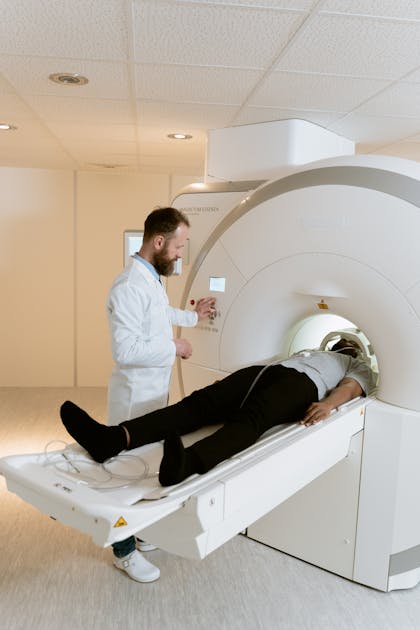
A single morning cortisol measurement is a starting point, but further testing is usually needed to confirm a diagnosis. For suspected high cortisol: a 24-hour urinary free cortisol collection, a late-night salivary cortisol test, and a low-dose dexamethasone suppression test (DST) are standard screening tools. If these are abnormal, imaging (pituitary MRI, adrenal CT) and additional biochemistry (ACTH level, high-dose DST) help localise the cause.
For suspected low cortisol: an ACTH stimulation test (Synacthen test) is the gold standard. If the adrenals fail to respond, primary adrenal insufficiency is confirmed. The doctor will also check ACTH levels to distinguish primary from secondary insufficiency, and may order glucose, electrolytes, and thyroid function tests because adrenal insufficiency can coexist with other endocrine disorders (polyglandular syndromes).
When to see a doctor
Talk to your doctor if your cortisol level is outside the reference range, or if you are experiencing symptoms suggestive of cortisol excess or deficiency—such as unexplained weight changes, persistent fatigue, new-onset high blood pressure, easy bruising, or skin darkening.
Seek emergency medical care if you experience signs of an adrenal crisis: sudden severe abdominal pain, vomiting, extreme weakness, confusion, or loss of consciousness. Patients known to have adrenal insufficiency should carry an emergency hydrocortisone injection and wear a medical alert bracelet.
How Norya helps you understand your cortisol
Norya does not diagnose—we help you prepare. Upload your blood test report at noryaai.com/analyze and receive a clear, structured summary that highlights your cortisol level alongside related markers in plain language. The report flags out-of-range values and provides context so you can have a more informed conversation with your doctor.
Whether you are investigating unexplained symptoms or monitoring an existing endocrine condition, Norya organises your results so you can focus on what matters. For plan options and pricing, visit our pricing page.
Disclaimer
This guide is for informational purposes only and does not replace medical advice or diagnosis. Always discuss your results with a healthcare professional. Start analysis with Norya
Trust & review
How this guide should be used
This article is educational and should be reviewed alongside our medical review, methodology, and transparency pages. Use it to prepare for a clinician conversation, not as a diagnosis.