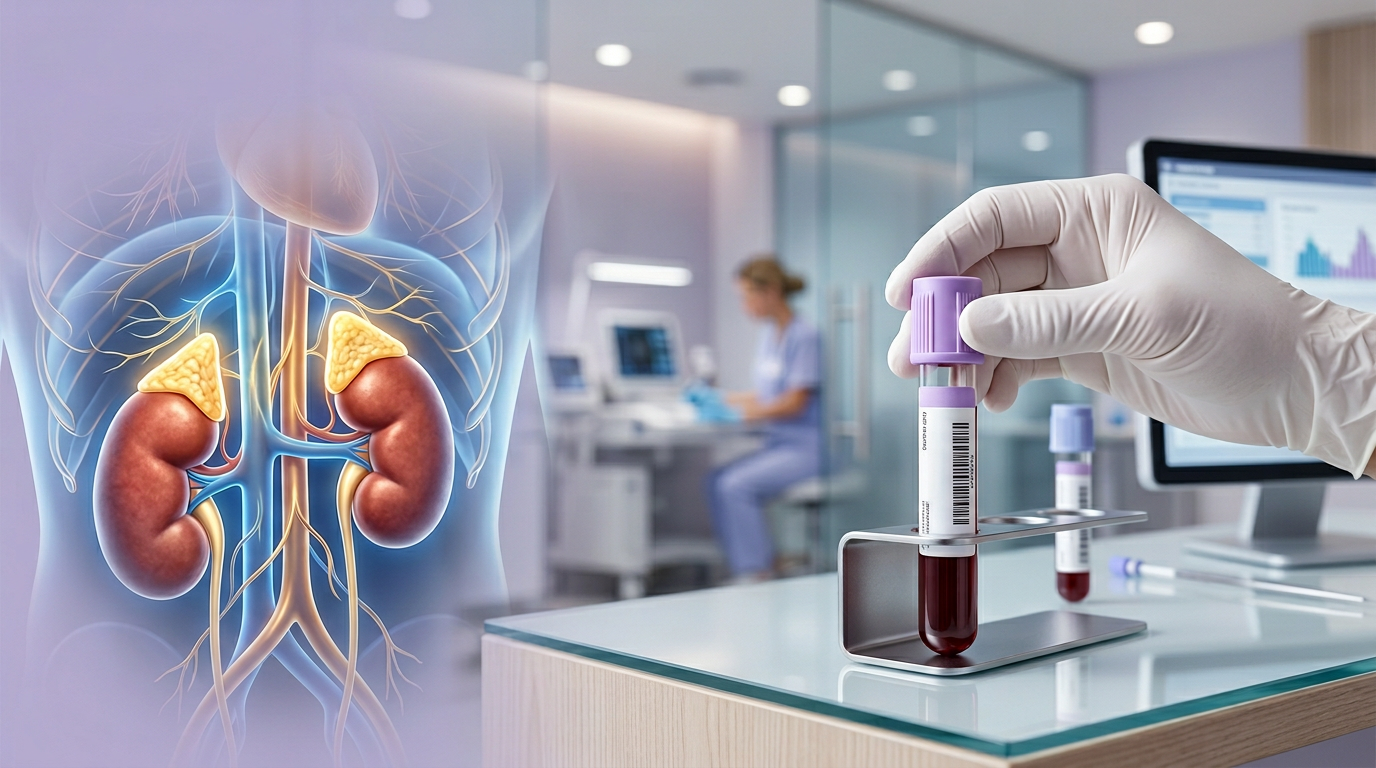
Progesterone test: what does low progesterone mean?
Progesterone is a critical hormone for pregnancy and the menstrual cycle; low or high alone is not a diagnosis.
Educational guide only — not medical advice. Always review results with a qualified clinician.
7 min read
··Last updated
NNoryaAI
Progesterone blood test: what your results mean
When your lab report shows a progesterone value, understanding what this hormone does and why its level matters can feel overwhelming. Progesterone is a steroid hormone produced primarily by the corpus luteum in the ovaries after ovulation. It plays a central role in regulating the menstrual cycle, preparing the endometrium for implantation, and maintaining early pregnancy. A progesterone test is one of the most commonly ordered hormone tests in fertility work-ups and pregnancy monitoring.
This guide explains how to interpret your progesterone blood test results, what constitutes normal progesterone levels, common causes of low progesterone or elevated values, and when to consult a doctor. Our goal is educational—not diagnostic. Always discuss your results with a qualified healthcare professional.
Progesterone in pregnancy rises dramatically as the placenta takes over production from the corpus luteum around weeks 8–10. Adequate progesterone is essential for suppressing uterine contractions, supporting placental development, and sustaining the pregnancy to term. Insufficient levels in early pregnancy have been associated with threatened miscarriage and luteal phase deficiency.
Progesterone normal range by cycle phase and trimester
Progesterone levels vary significantly depending on the phase of the menstrual cycle, pregnancy status, sex, and age. The table below summarises widely accepted reference ranges for a progesterone blood test:
Phase / Group
Normal Range (ng/mL)
Follicular phase
0.1 – 0.7
Luteal phase
2 – 25
1st trimester
9 – 47
2nd trimester
17 – 146
3rd trimester
55 – 200
Post-menopausal
< 0.4
Males
0.1 – 0.5
To confirm ovulation, a blood sample is typically drawn on cycle day 21 (or 7 days before the expected period). A mid-luteal progesterone level above 5 ng/mL generally indicates that ovulation occurred, while values below 10 ng/mL may suggest a luteal phase defect. Progesterone levels by week rise steadily throughout pregnancy, peaking in the third trimester.
Reference ranges can vary between laboratories, so always compare your result with the specific range printed on your report. Timing of the blood draw relative to ovulation is critical for accurate interpretation.
Causes of low or high progesterone
Low progesterone is particularly significant for fertility and early pregnancy outcomes. The most common causes include:
Anovulation: Without ovulation, no corpus luteum forms, so progesterone remains at follicular-phase levels. Polycystic ovary syndrome (PCOS) is the leading cause of chronic anovulation.
Luteal phase defect: The corpus luteum produces insufficient progesterone, leaving the endometrium inadequately prepared for implantation. This can contribute to infertility or recurrent early pregnancy loss.
Thyroid disorders: Hypothyroidism and hyperprolactinaemia can indirectly suppress progesterone production by disrupting the HPG axis.
Excessive exercise and chronic stress: These may lead to hypothalamic amenorrhoea, suppressing ovulation and consequently progesterone output.
Perimenopause: As women approach menopause, ovulation becomes less frequent and progesterone levels decline.
Elevated progesterone is most commonly a physiological finding during pregnancy. Pathological causes include congenital adrenal hyperplasia (CAH), ovarian cysts, adrenal tumours, and molar pregnancy.
When interpreting progesterone levels, the day of the menstrual cycle on which blood was drawn is crucial. A low value during the follicular phase is entirely normal, whereas the same value in the luteal phase may be clinically significant.
When should you see a doctor?
Consider consulting a gynaecologist or reproductive endocrinologist if you experience:
Irregular or painful menstrual cycles, suspected anovulation
Inability to conceive after 12 months of unprotected intercourse (infertility)
Recurrent early pregnancy losses
A short luteal phase (menstruation starting <10 days after ovulation)
Spotting and cramping in early pregnancy
Your doctor may order a progesterone blood test alongside LH, FSH, oestradiol, thyroid panel, and possibly a pelvic ultrasound for a comprehensive evaluation. If low progesterone is confirmed, treatment options include oral or vaginal progesterone supplementation, ovulation induction, or addressing the underlying cause.
This content is for informational purposes only and does not constitute medical advice, diagnosis, or treatment. Always discuss your test results with a qualified healthcare professional. NoryaAI is not a substitute for medical consultation. Visit our analysis page for preliminary insights into your results.
Trust & review
How this guide should be used
This article is educational and should be reviewed alongside our medical review, methodology, and transparency pages. Use it to prepare for a clinician conversation, not as a diagnosis.