High Urea Meaning: BUN, Kidney Function, and Common Causes
Understand what a high urea or BUN result may mean, common causes, and how it is usually read with creatinine and eGFR.
Educational guide only — not medical advice. Always review results with a qualified clinician.
4 min read
··Last updated
NNoryaAI
What does a high urea level mean?
Urea (sometimes BUN) is a product of protein metabolism and is cleared by the kidneys. A high level may be due to reduced kidney function, dehydration, gastrointestinal bleeding, or high protein intake. It does not make a diagnosis alone; doctors usually compare it with creatinine and eGFR to see whether the pattern looks more hydration-related, kidney-related, or temporary. Discuss your result with a doctor.
Quick answer
Short answer: high urea or BUN often means the body is clearing more protein waste than usual or the kidneys are handling fluid and waste differently. By itself, it cannot tell whether the main issue is dehydration, diet, bleeding, medication effect, or reduced kidney function.
Normal vs high: quick pattern guide
In range: often means protein waste handling looks typical for that lab, but kidney interpretation still depends on creatinine, eGFR, and context. Mildly high: dehydration, higher protein intake, or temporary stressors may be considered first. High together with other kidney markers: usually makes kidney-focused follow-up more important. Urgent context: low urine output, confusion, vomiting, severe weakness, or rapidly changing kidney-related results need prompt medical review.
How doctors compare urea with other kidney markers
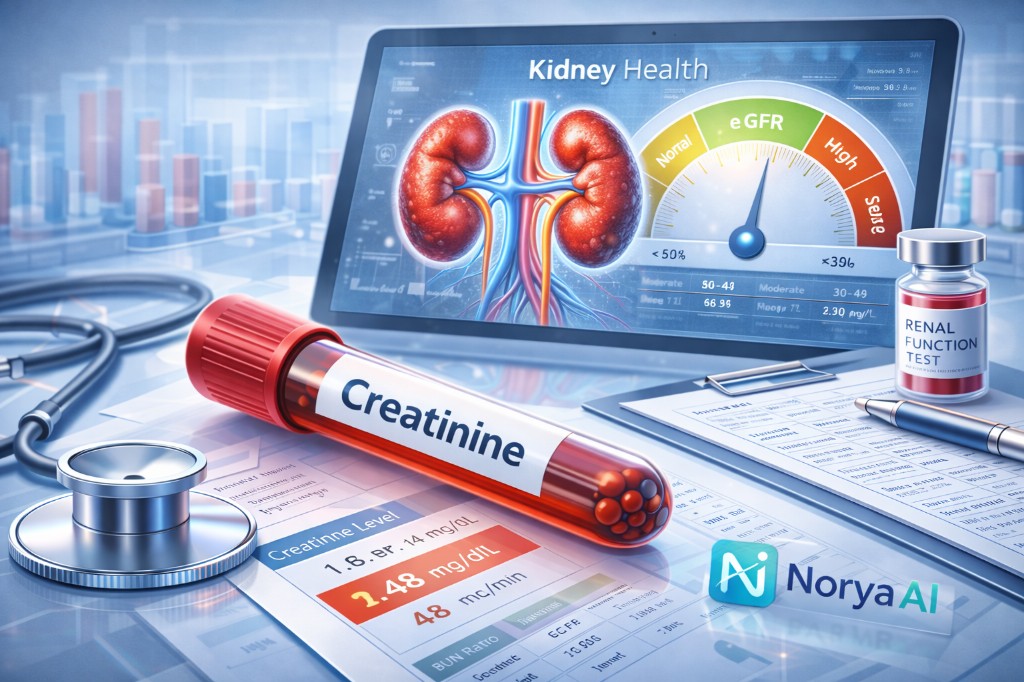
A common next step is to compare urea with creatinine and eGFR. If urea is high but creatinine is relatively stable, dehydration, protein intake, or temporary factors may be considered. If several kidney markers move together, the result may deserve closer kidney-focused follow-up. This comparison guides the next questions, but it is not a diagnosis by itself.
Frequently asked questions
Can dehydration raise urea? Yes. Dehydration is one of the common reasons urea or BUN can rise, which is why doctors often compare it with creatinine, eGFR, and the clinical picture before drawing conclusions.
Does a high urea result always mean kidney failure? No. High urea can be linked to dehydration, high protein intake, gastrointestinal bleeding, some medications, or reduced kidney function. The pattern needs to be interpreted with other kidney markers.
Can a high-protein diet change my urea or BUN? Yes. Higher protein intake can increase urea production. Your clinician may consider diet, hydration, and other kidney markers when deciding whether the result is significant.
This article is educational and should be reviewed alongside our medical review, methodology, and transparency pages. Use it to prepare for a clinician conversation, not as a diagnosis.