Fibrinogen is a clotting and acute phase protein; high or low alone is not a diagnosis.
Educational guide only — not medical advice. Always review results with a qualified clinician.
7 min read
··Last updated
NNoryaAI
Fibrinogen blood test: what your results mean
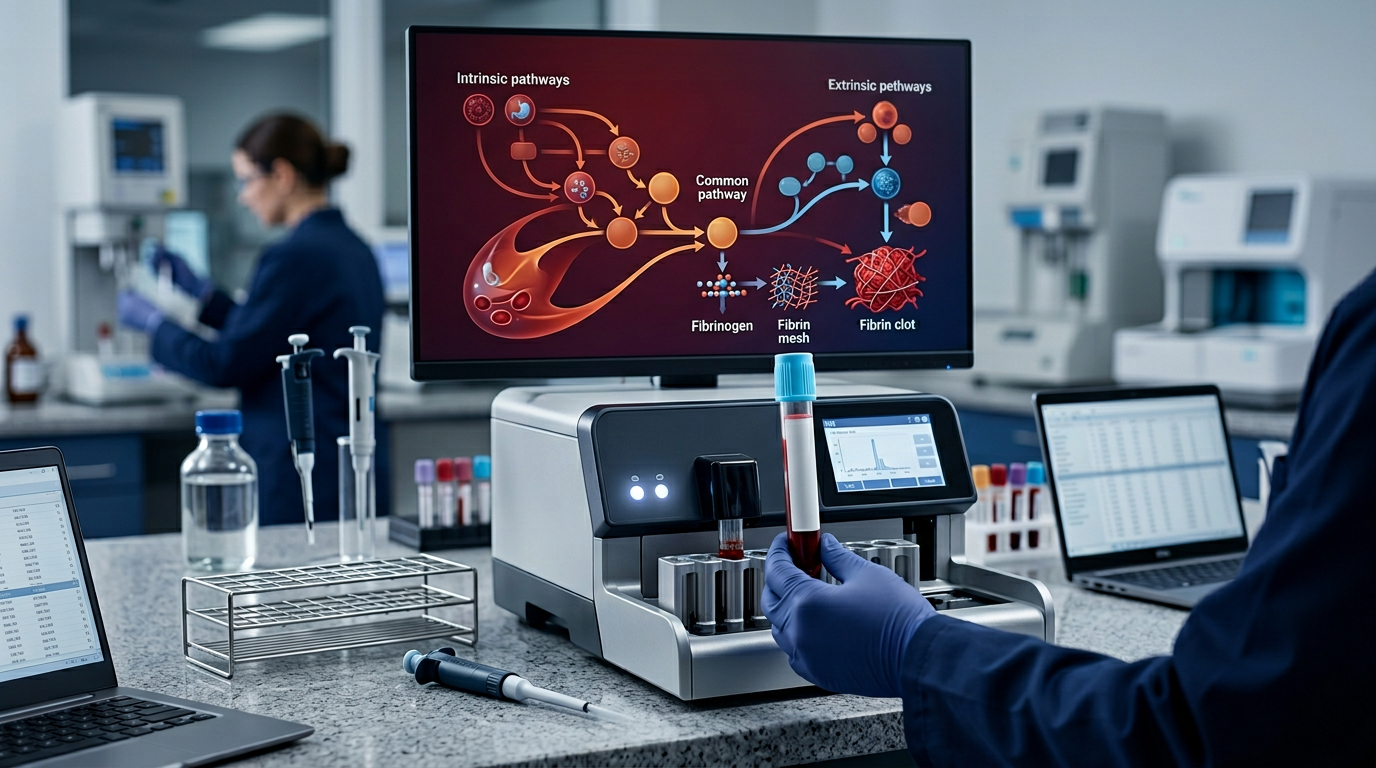
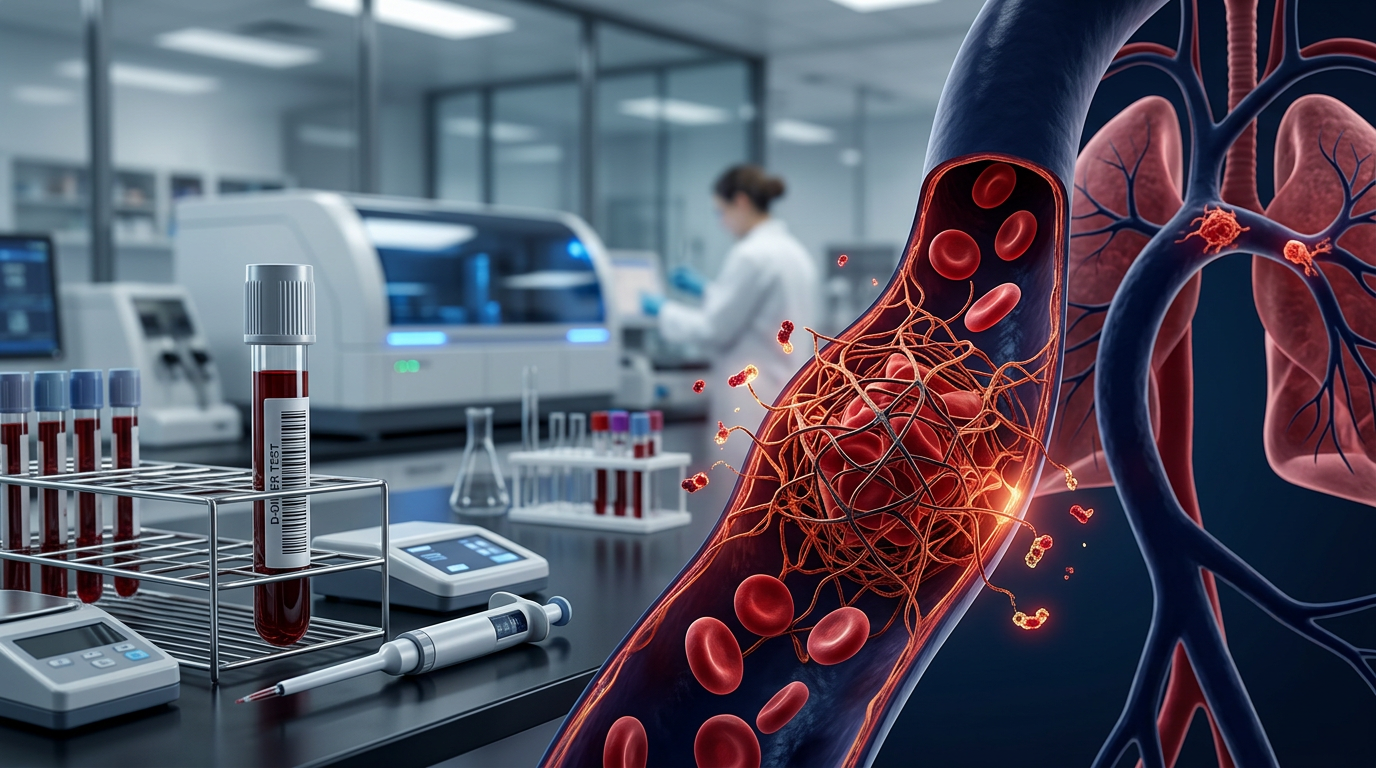
The fibrinogen blood test measures the level of fibrinogen, a glycoprotein produced by the liver that plays a critical role in blood clotting. During the final step of the coagulation cascade, thrombin converts fibrinogen into fibrin strands that form the structural scaffold of a blood clot. Fibrinogen is also an acute-phase reactant, meaning its fibrinogen levels rise significantly during infection, inflammation and tissue injury.
A fibrinogen test is used both to diagnose clotting disorders and to assess chronic inflammation and cardiovascular risk. High fibrinogen may point to chronic inflammation, infection, cancer or pregnancy, while low fibrinogen can be associated with disseminated intravascular coagulation (DIC), liver disease or malnutrition.
In this guide you will find the fibrinogen normal range, causes of elevated fibrinogen and low fibrinogen, and when to see a doctor. The information here is educational — always consult a healthcare professional for diagnosis and treatment.
Fibrinogen normal range (reference intervals)
The fibrinogen normal range can vary slightly between laboratories, but generally accepted reference values are summarised in the table below:
Group
Fibrinogen normal range
Adults
200–400 mg/dL
Newborns
125–300 mg/dL
Pregnancy (3rd trimester)
400–600 mg/dL
Critical low threshold
<100 mg/dL
Reference intervals depend on the assay method (the Clauss method is most common) and analyser used, so always compare your result with the range printed on your own report. If your fibrinogen levels are outside the normal range, your doctor may order additional tests such as a coagulation panel, liver function tests and inflammatory markers (CRP, ESR).
Because fibrinogen is an acute-phase protein, it can rise temporarily after infections and surgery. A single measurement does not always reflect a chronic condition; clinical context is essential for interpretation.
Causes of high and low fibrinogen
High fibrinogen and low fibrinogen have different clinical implications. Both require investigation to identify the underlying cause.
Causes of elevated fibrinogen (hyperfibrinogenaemia):
Infection: Bacterial and viral infections trigger the acute-phase response, raising fibrinogen levels.
Chronic inflammation: Conditions such as rheumatoid arthritis, inflammatory bowel disease and vasculitis cause persistently elevated fibrinogen.
Cancer: Certain solid tumours and haematological malignancies can increase fibrinogen production.
Pregnancy: Fibrinogen rises physiologically, especially in the third trimester, as part of normal haemostatic adaptation.
Smoking: Chronic tobacco use can permanently elevate fibrinogen levels and increase cardiovascular risk.
Causes of low fibrinogen (hypofibrinogenaemia):
Disseminated intravascular coagulation (DIC): Excessive consumption of fibrinogen causes levels to drop rapidly; this is a medical emergency.
Liver disease: Cirrhosis and advanced liver failure reduce fibrinogen synthesis.
Malnutrition: Severe protein deficiency or inadequate nutrition can impair fibrinogen production.
Congenital fibrinogen deficiency: Rare inherited disorders (afibrinogenaemia, hypofibrinogenaemia) result in very low or undetectable fibrinogen.
Your doctor may order additional coagulation tests (PT, aPTT, D-dimer), liver function tests and imaging studies depending on the clinical picture.
When should you see a doctor?
If your fibrinogen blood test result falls outside the reference range, do not panic — but do consult a doctor. Evaluation should not be delayed if you experience unexplained bleeding tendency, easy bruising, prolonged wound healing or a history of recurrent thrombosis.
High fibrinogen is also relevant to cardiovascular risk assessment. Chronically elevated fibrinogen is considered an independent risk factor for atherosclerosis and thrombotic events. Your doctor may recommend regular fibrinogen monitoring as part of a broader cardiovascular evaluation.
Remember: abnormal fibrinogen levels are not a diagnosis on their own. Your doctor will use further tests to identify the underlying cause and formulate an appropriate treatment plan. Early detection and regular follow-up improve outcomes in both bleeding and clotting disorders.
Trust & review
How this guide should be used
This article is educational and should be reviewed alongside our medical review, methodology, and transparency pages. Use it to prepare for a clinician conversation, not as a diagnosis.